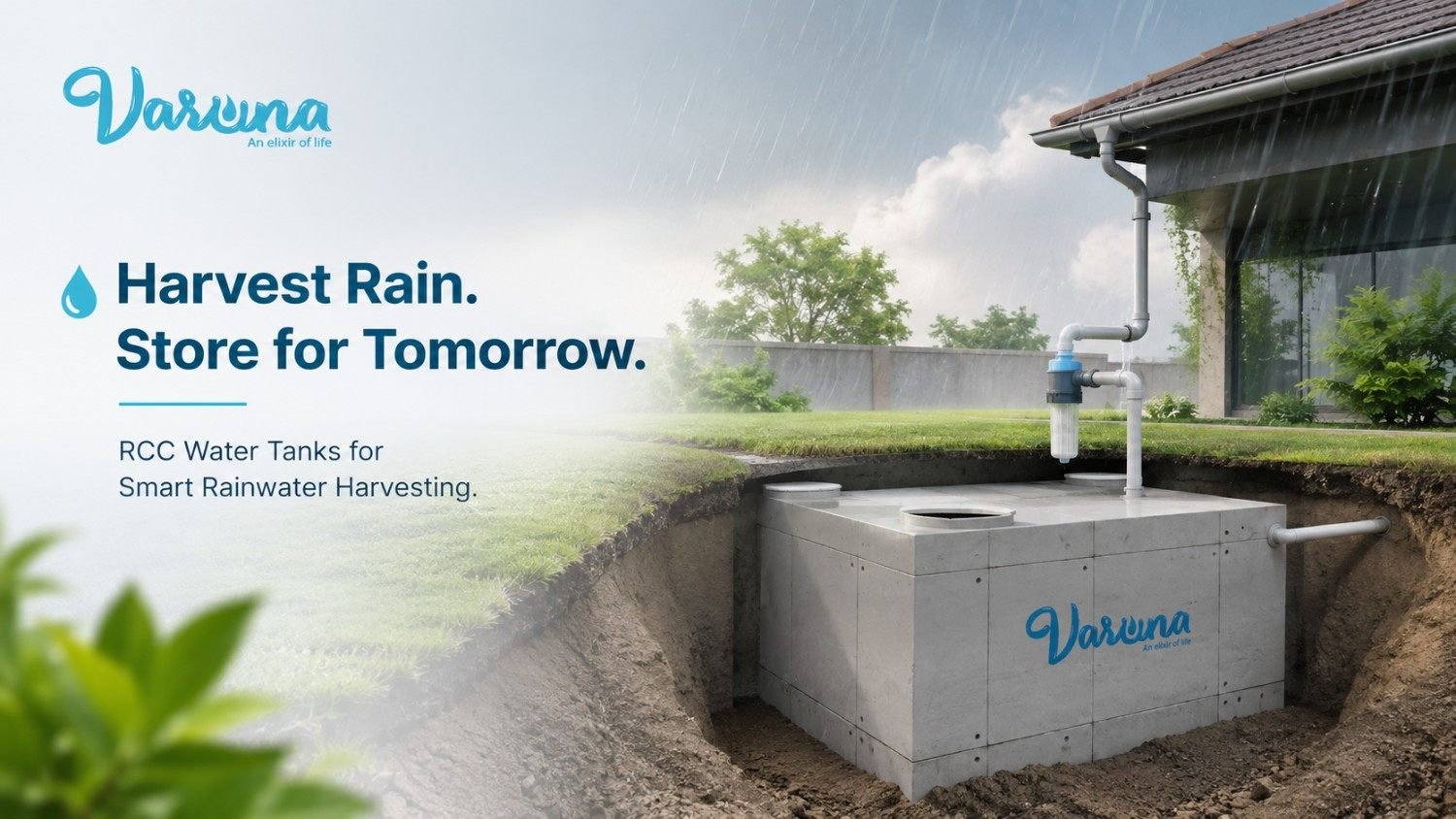
How RCC Water Tanks Support Rainwater Harvesting During the Monsoon
Discover how RCC water tanks support rainwater harvesting during the monsoon, enabling reliable water storage, conservation, and reuse with Varuna Precast RCC Water Tanks.
Introduction
Monsoon comes every year. And every year, a lot of that rain just... disappears. It hits the roof, runs off, and goes straight into a drain somewhere, never to be seen again.
That's a waste. A pretty big one, if you think about it.
Rain doesn't have to go to waste, though. Catch it, clean it up a little, store it properly, and you've got water you can actually use later — for months, sometimes.
But here's the part people forget: collecting rain is only half the job. Storing it right is what makes the whole thing work.
That's where RCC water tanks for rainwater harvesting come into the picture. They're not flashy. They're just strong, dependable, and built to hold water for a long time — which is exactly what you need for homes, offices, schools, or factories trying to make use of the rain instead of losing it.
Why Bother Harvesting Rainwater in the First Place?
During monsoon, rooftops and open ground pick up a surprising amount of water. Without something to catch and hold it, most of it just runs off and gets lost.
A decent monsoon rainwater harvesting setup changes that. Instead of letting water run into the drain, it gets redirected into a tank.
Once it's stored, you can use that water for things like:
- Watering the garden
- Flushing toilets
- Mopping and general cleaning
- Washing the car
- Construction site work
- Other jobs that don't need drinking-quality water
Small stuff, maybe. But add it up over a whole monsoon season, and it makes a real dent in how much fresh water you're pulling from elsewhere.
Where RCC Water Tanks Fit In
Any rainwater harvesting setup needs somewhere solid to put the water. That's the whole point of an RCC water storage tank.
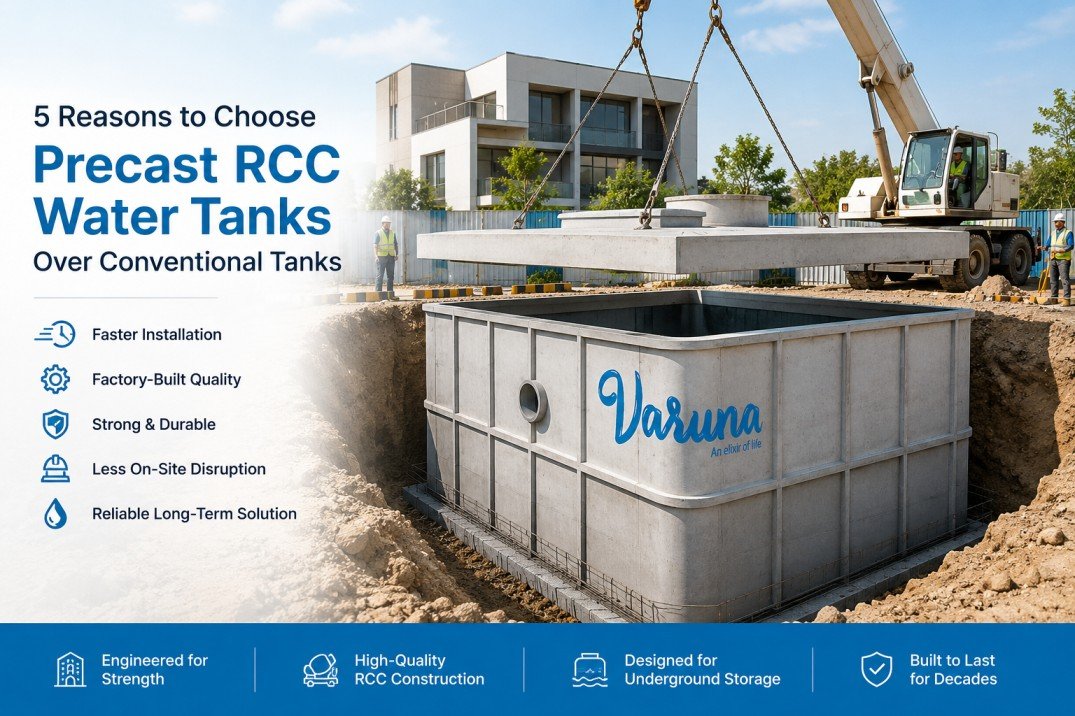
Built from reinforced cement concrete, these tanks hold up well over time. You can put them underground, above ground, or wherever fits the site better.
A tank built properly means the rain you just spent effort collecting doesn't go anywhere. It just sits there, ready, until you need it.
For bigger sites, going with an underground RCC water tank usually makes more sense. You get a lot of storage without eating into space you'd rather use for something else—parking, a garden, whatever.
Five Ways These Tanks Actually Help
1. They Hold Water. Reliably.
Sounds obvious, but that's the whole job of a rainwater harvesting tank—hold what you collect, don't leak it, don't fail.
RCC tanks are built solid, and you can size them to match what your building actually needs.
For places using a lot of water daily, a tank sized right can genuinely cover a good chunk of demand during a heavy monsoon.
2. They Let You Catch More of the Rain
Here's the thing about heavy rain—it dumps a huge volume of water in a short window. If you don't have enough tank space, most of that just runs off before you can use any of it.
An RCC rainwater harvesting tank, sized correctly, means less of that water gets wasted. Getting the size right depends on a few things:
- How big your roof is
- Local rainfall—how much, how often
- What kind of surface the water runs over
- Filtration setup
- Tank capacity
- Actual water demand
- How overflow gets handled
Miss one of these and the system either overflows constantly or barely fills up. Neither is great.
3. Less Reliance on Fresh Water
One of the real upsides of rainwater harvesting — you stop leaning so heavily on fresh water for jobs that don't really need it.
Store the rain properly, and it can cover a good part of your non-drinking water needs. Cleaning, flushing, gardening — that sort of thing.
Which is exactly why water conservation solutions like this are getting picked up more by apartments, offices, schools, hospitals, hotels, factories — basically anywhere with a decent roof and a water bill.
The more rain you actually capture and reuse, the less pressure on outside supply. Simple as that.
4. Underground Tanks Don't Eat Your Land
Space is tight almost everywhere now, especially in cities.
An underground RCC water tank sits below ground, so it doesn't take up anything on the surface. That leaves the actual land free for parking, walkways, gardens—whatever the property actually needs up top.
For apartment blocks or commercial buildings where every square foot counts, this is honestly one of the more practical solutions out there.
5. It's Not Just a Monsoon Thing
People tend to think of rainwater harvesting as a seasonal fix—something you only care about when it's actually raining.
But it works a lot better as part of a bigger water plan, not a once-a-year thing.
A properly set up RCC water storage tank fits into a cycle that looks roughly like this:
Rain falls → gets collected from the roof → filtered → stored → used where needed
Set it up right, and the tank keeps paying off long after the monsoon ends.
Why Go With a Precast RCC Water Tank?
Building a tank the traditional way is slow. Formwork, steel, and curing time—it adds up, and it eats into your construction schedule.
A precast RCC water tank skips a lot of that.
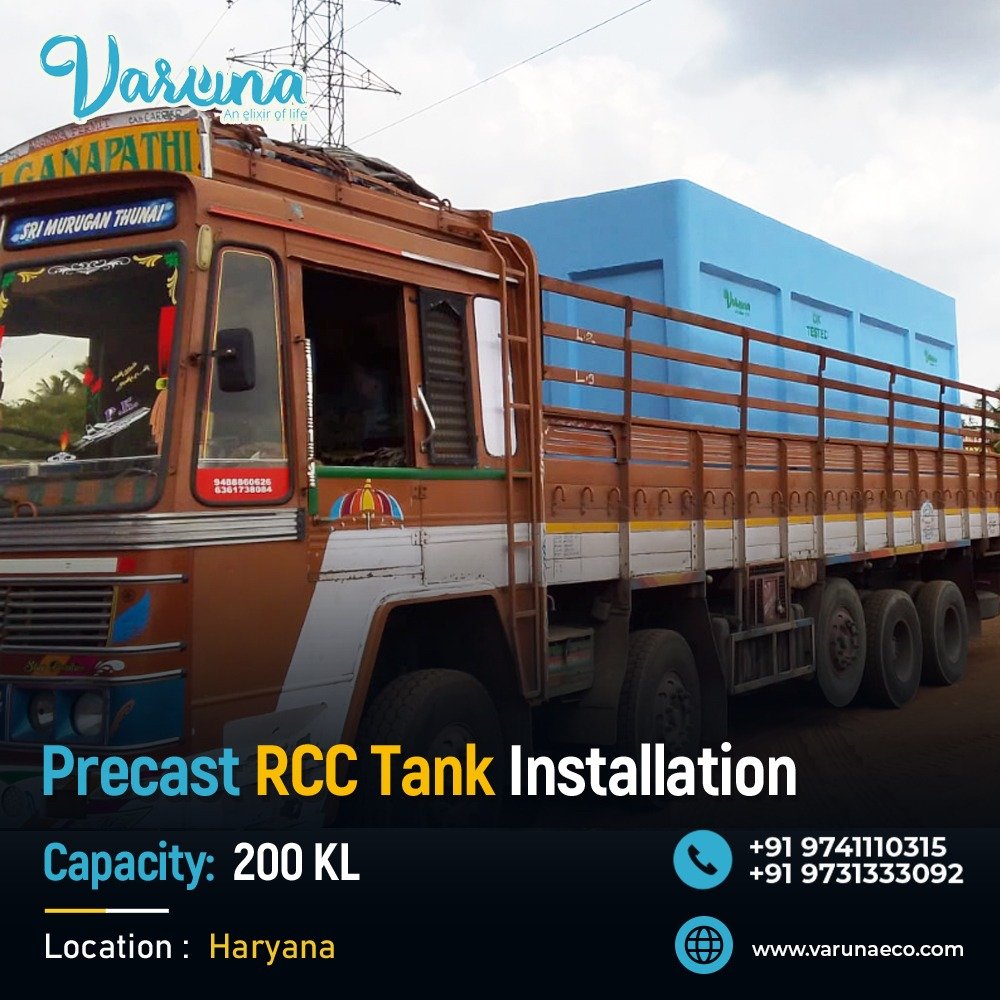
The tank sections get made in a factory, under conditions you can actually control, then shipped to site and put together. Less on-site work, less waiting around.
What you get out of it:
- Solid, durable build
- Quicker installation
- Better quality control since it's made in a factory
- Much less civil work happening on-site
- Dependable performance over the years
- Long-term storage that doesn't degrade fast
- Can be configured for different project sizes
If your timeline is tight, precast is usually the better call.
Who Actually Uses These Tanks?
Rainwater harvesting isn't just a homeowner thing. Bigger sites benefit even more, honestly.
- Commercial Buildings Large rooftops mean large catchment area — offices can collect a lot and put it toward cleaning and other non-drinking uses.
- Apartment Complexes Housing societies fold RCC tanks into their existing water systems and use the harvested rain daily.
- Schools & Colleges Big roofs, big open grounds — campuses are naturally suited for this.
- Factories Industrial sites often build rainwater harvesting into their broader water-saving strategy.
- Hotels & Resorts Hospitality businesses use stored rainwater to cut costs while also ticking their sustainability boxes.
Picking the Right Size Tank
Don't just go with the biggest tank you can afford. Bigger isn't automatically better—it's about matching the tank to what the project actually needs.
Things worth thinking through:
- Roof or catchment area: bigger roof, more water you can potentially collect.
- Local rainfall: how much it rains, and how consistently, changes everything about sizing.
- Actual water demand: what you're planning to use the water for decides how much you really need to store.
- Available space: figure out early whether above-ground or underground makes more sense for your site.
- Overflow handling: heavy rain means excess water. Plan for where it goes.
- Filtration: rainwater picks up leaves, dust, grime on the way down. A decent filter before storage saves headaches later.
Can You Actually Store Rainwater and Use It Later?
Yes — as long as the whole system (collection, filtering, storage, use) is set up and maintained properly.
What matters most is what you're planning to use it for.
Non-drinking uses are fine after basic filtering. Drinking water is a different story entirely — that needs much stronger treatment and proper testing before it's safe.
So really, plan the system around how you'll use the water, not just how much you can collect.
RCC Tanks and the Bigger Picture on Water
Water scarcity isn't some distant problem anymore — it's showing up in more places, more often, whether that's homes, offices, or factories.
Rainwater harvesting is one practical way to deal with it. Catch what falls, store it properly, don't let it go to waste.
Put together:
Rainwater Harvesting + Precast RCC Water Tank + Filtering + Reuse — and you've got a genuinely workable water management setup.
It's not really about collecting more rain for the sake of it. It's about using what you already get more sensibly.
Why Varuna for Your Precast RCC Water Tank?
The tank matters. So does who's making it.
Varuna builds precast RCC water tanks for homes, offices, schools, and industrial sites — built for durability, quick installation, and storage that actually holds up over years, not just seasons.
- Need an underground tank?
- A rainwater harvesting tank?
- Something custom for a specific site?
Varuna can help work out the right size and setup for what you're building.
Conclusion
Monsoon isn't just rain falling from the sky — it's an opportunity, if you actually use it.
A rainwater harvesting system does the catching. An RCC water tank does the holding. Put both together, and you've got water you can actually use, months after the rain stops.
Homes, schools, offices, factories — it doesn't matter the scale. Precast RCC water tanks save water, save space, and save time getting installed.
This monsoon, don't let the rain just run down the drain. Plan a system built to actually last.