How Institutions & Hospitals Can Leverage Recycled Water for Non-Critical Processes Using STP / ETP
Learn how hospitals, schools and institutions can repurpose their wastewater for non-referential applications like flushing, irrigation and washing with Varuna's STP & ETP systems. Minimize dependence on freshwater, reduce costs and encourage sustainability with modular and water-efficient and eco-friendly water treatment technologies.
How Institutions & Hospitals Can Leverage Recycled Water for Non-Critical Processes Using STP / ETP
Water is one of the most vital resources for hospitals, schools, colleges, and other institutional type facilities. While high-quality water is needed for medical procedures, lab work, and food function, much of the water used, including toilet flushes, landscape irrigation, corridor and classroom cleaning, and HVAC cooling, is non-critical.
Without good water management practices, institutions rely on the municipality for water which results in high costs spent on water and pressure on the community water supply. With concerns about scarcity increasing, practicing sustainable solutions is a high priority.
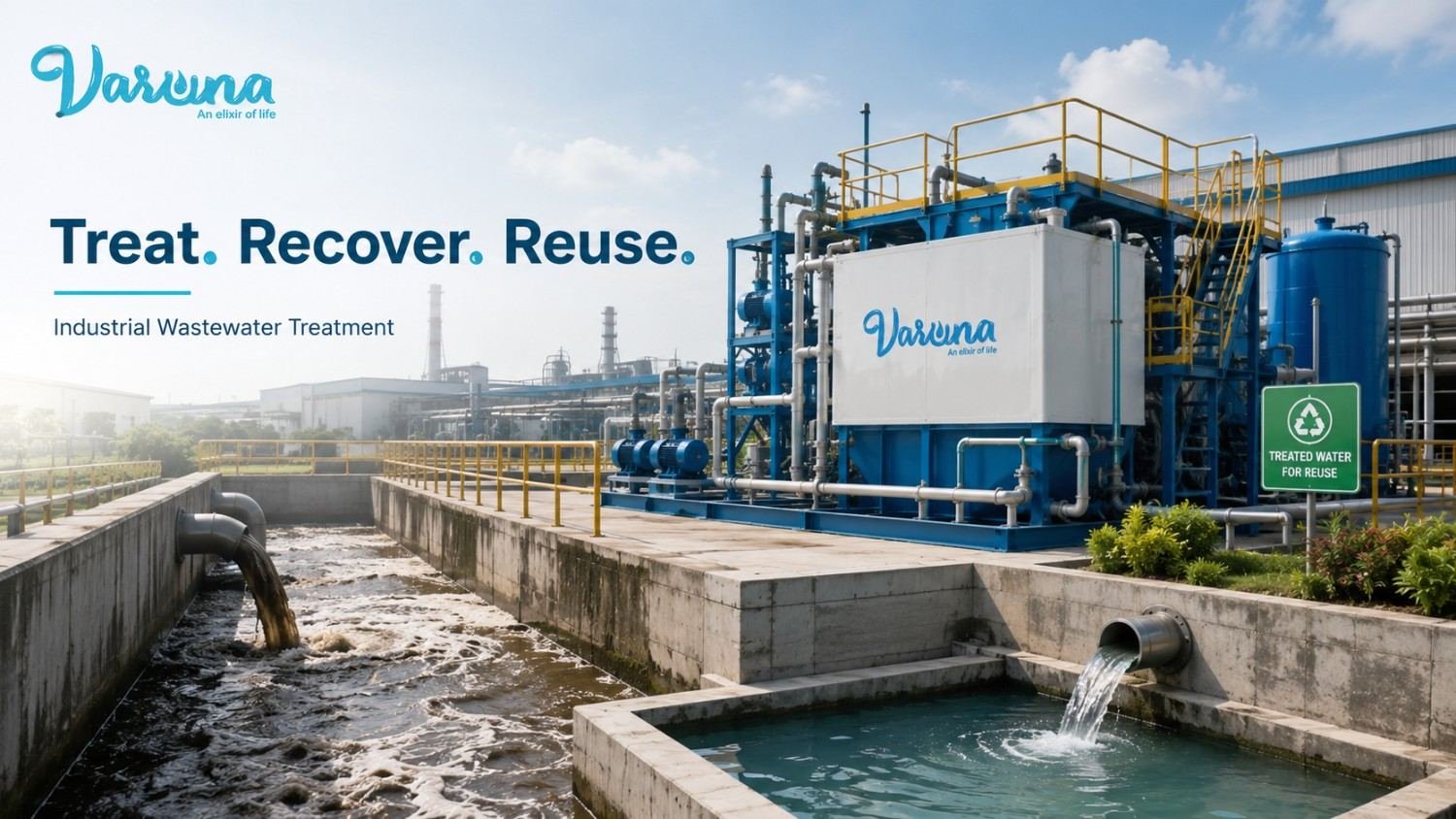
Varuna STP/ETP systems are a dependable method of treating and recycling waste water, thereby enabling organizations to reuse water safely for non-critical purposes. With these systems installed, hospitals, schools and indoor sports facilities can reduce potable water requirements and the costs associated with potable water consumption, while demonstrating a commitment to environmental sustainability.
Understanding Recycled Water for Non-Critical Applications
What Are Non-Critical Water Uses?
Non-critical water uses are applications where water quality does not need to meet potable standards. These include:
- Flushing toilets and urinals: These have been shown to be one of the largest demands for water in institutions.
- Landscape irrigation: Landscaping in terms of gardens, lawns, or green spaces can consume substantial amounts of water.
- Cleaning: This is for cleaning floors, hallways, and outdoor spaces where potable water is not needed.
- Cooling water for air-conditioning systems: This can be a means of reducing the need for freshwater in large facilities.
By using treated wastewater for any of these facilities, it is possible to substantially reduce freshwater consumption without sacrificing health and safety, nor hygiene.
Advantages of Recycled Water with Varuna
Implementing water recycling systems brings several benefits:
- Cost Savings: When recycled water is utilized for non-essential purposes, municipal water charges can be greatly reduced.
- Sustainability: Reducing withdrawals or withdrawals of fresh water for irrigation allows local water to be conserved and protected.
- Regulatory Compliance: Treated water from Varuna STP/ETP systems is safe for non-potable uses.
- Reliability: Institutions are assured constant water supply even during municipal droughts or water shortages.
How Varuna STP and ETP Systems Enable Water Reuse
Varuna STP Overview
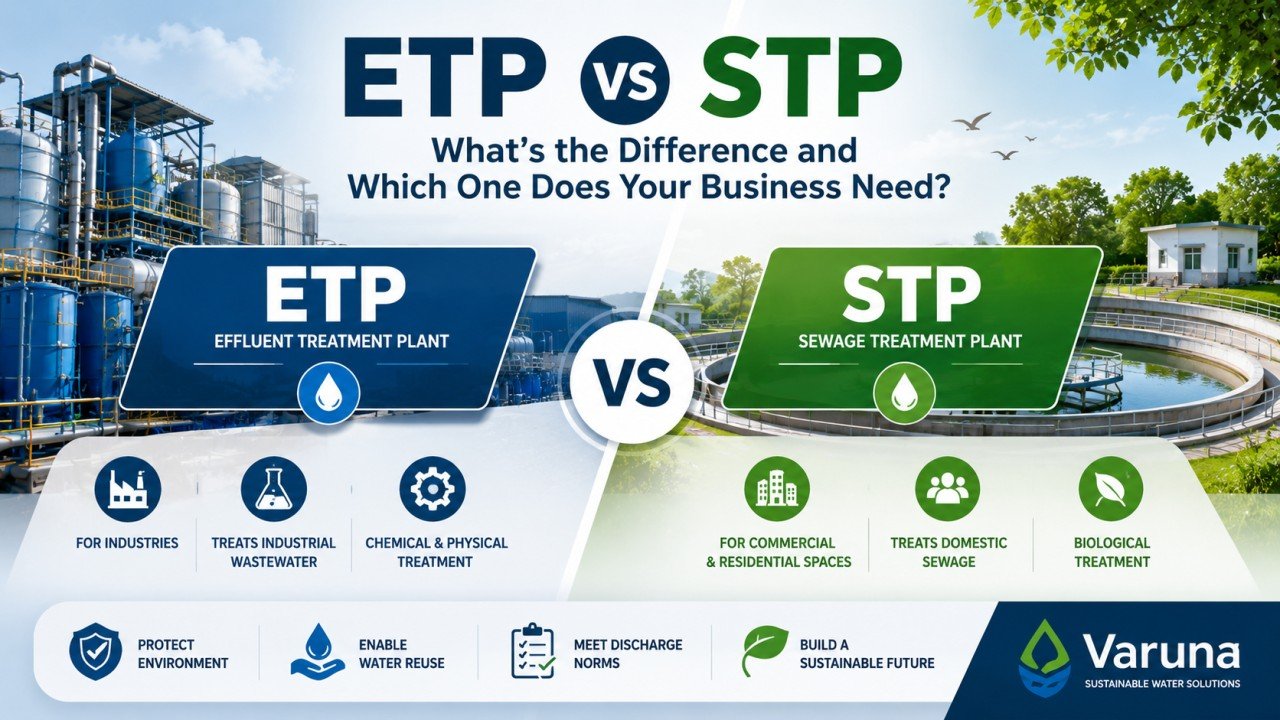
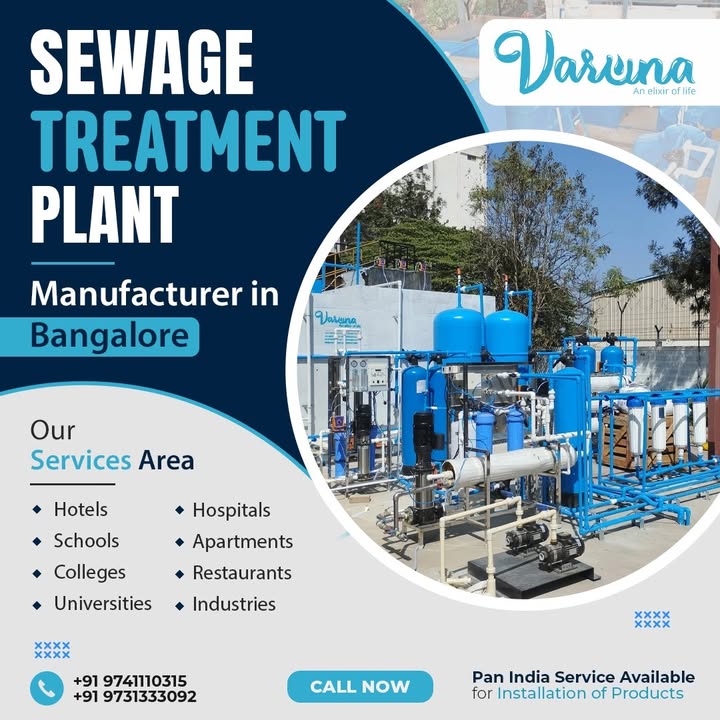
The Sewage Treatment Plant (STP) is designed to process domestic wastewater, including greywater from bathrooms, kitchens, and minor effluents from labs or workshops. Key features of Varuna STP systems include:
- Modular design: Scalable according to facility size.
- Space-efficient: Great for facilities with limited site area.
- Enhanced pre-treatment: Reduces debris, sediments, and other pollutants for downstream processes to operate with less risk.
- Automation and monitoring: Avoids staff around-the-clock monitoring.
This system is designed to convert wastewater into safe, reusable water fed to non-critical applications, effectively decreasing reliance on municipal water.
Varuna ETP Overview
Effluent Treatment Plants (ETPs) are used where wastewater contains chemical residues or contaminants. Varuna ETP systems are ideal for institutional labs, hospitals, and facilities that generate minor chemical effluents. They offer:
- Neutralisation of acidic or alkaline wastewater
- Chemical and biological treatment to remove metals, organics, and other pollutants
- Polishing and filtration to ensure water quality suitable for non-critical reuse
By combining STP and ETP, institutions can maximize water recovery and ensure safe reuse in multiple applications.
Integrated Approach for Institutional Water Management
Varuna’s solutions allow facilities to implement a holistic water management plan:
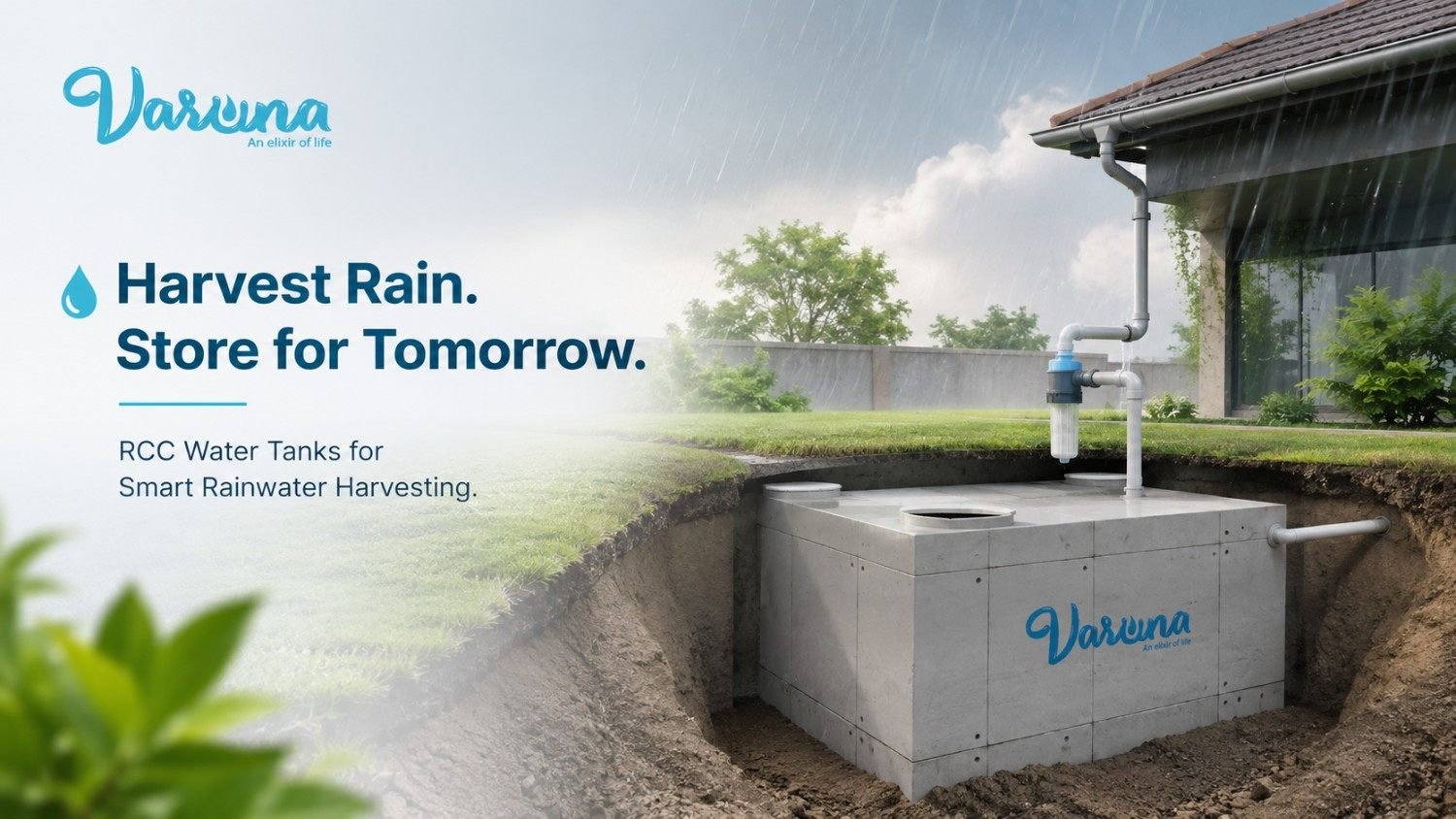
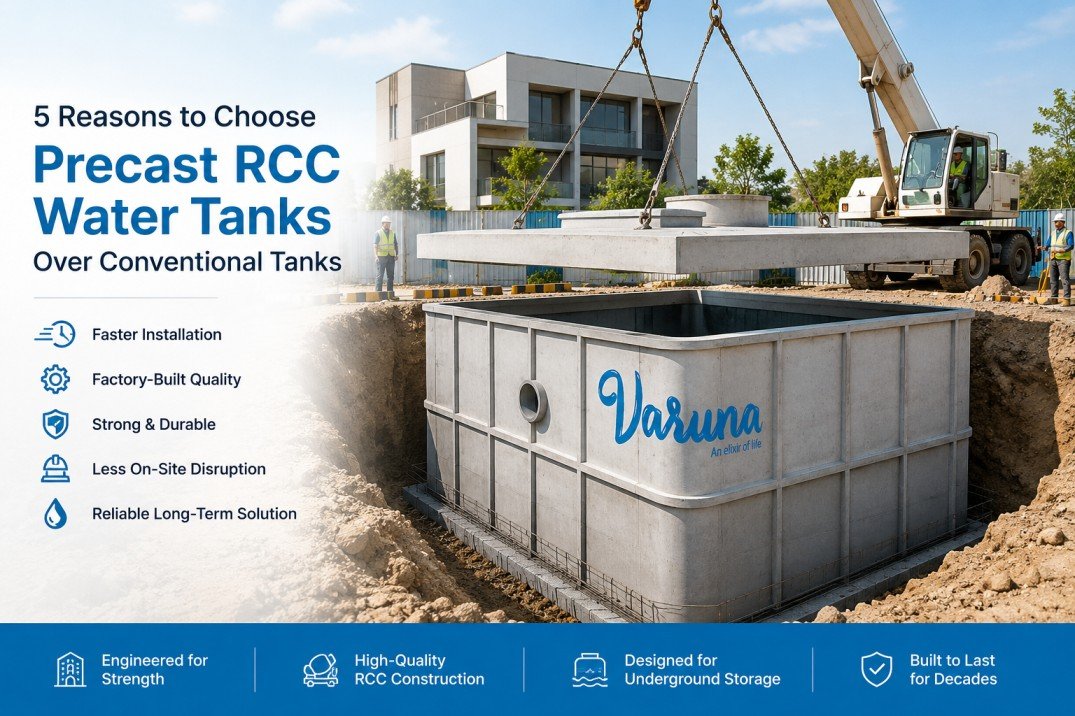
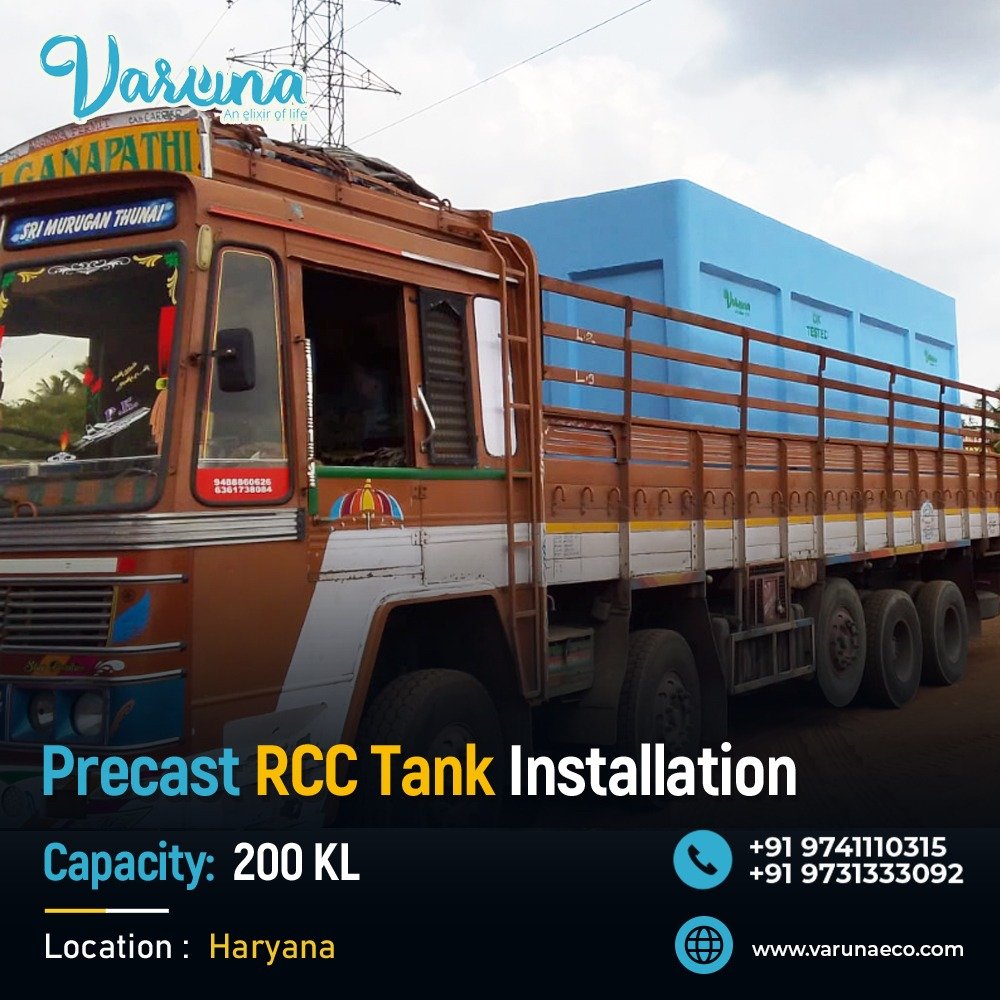
- Wastewater is collected in RCC tanks for buffering and surge management.
- Pre-treatment removes solids and adjusts pH to protect treatment units.
- STP or ETP processes purify water for non-critical applications.
- Recycled water is distributed to toilets, irrigation systems, and cleaning points.
This integration ensures continuous supply, minimal maintenance, and maximum water recovery.
Design Considerations for Institutional Water Recycling
Capacity and Flow Planning
Accurate estimation of wastewater volumes is essential for designing an effective recycling system. Considerations include:
- Daily water consumption patterns in hospitals or schools
- Peak flow management to prevent overloading treatment systems
- Buffer storage using RCC tanks to maintain consistent supply
- Expansion potential for future facility growth
Proper planning ensures that the STP/ETP can handle variable flow without downtime or water shortages.
Treatment Techniques
Varuna systems use multi-stage treatment processes for efficient water recycling:
- Pre-treatment: Screens, sedimentation, and filtration remove solids.
- Neutralisation: Adjusts pH of acidic or alkaline wastewater streams.
- Chemical dosing: Removes heavy metals and organic contaminants.
- Polishing: Membrane filtration or UV treatment ensures water quality for non-critical uses.
These steps ensure safe water reuse, compliance with regulations, and extended life for plumbing and irrigation systems.
Storage and Distribution for Non-Critical Applications
Once treated, water must be stored and delivered safely:
- Separate pipelines for recycled vs. potable water
- Adequate storage capacity in RCC tanks
- Pressure and flow optimization for toilets, cleaning points, and irrigation systems
- Regular monitoring to ensure consistent quality
Varuna’s modular approach makes it easy to integrate treatment, storage, and distribution into existing infrastructure.
Best Practices and Case Studies with Varuna
Hospital Applications
- Greywater segregation: Separate greywater and blackwater to enhance treatment efficiency.
- Recycling: Treat washbasin, shower, and kitchen wastewater for toilets and landscaping.
- Monitoring: Smart meters and automated alerts help track usage and system performance.
Educational Institutions
- Lab and kitchen wastewater reuse for gardens and toilets.
- Modular ETP units handle seasonal fluctuations in water demand.
- Student engagement: Teaching water conservation principles through visible recycling practices.
Performance Highlights
Facilities using Varuna systems have achieved:
- 40–50% reduction in freshwater consumption
- Compliance with local discharge and reuse regulations
- Improved sustainability ratings
- Lower operational and maintenance costs
Conclusion
Water recycling is no longer optional for large institutions—it’s a necessity. By adopting Varuna STP/ETP systems, hospitals and educational facilities can reuse wastewater for non-critical applications safely and efficiently.
Key benefits include:
- Conserving freshwater resources
- Reducing water bills
- Maintaining compliance with environmental regulations
- Promoting sustainability and responsible operations
With Varuna’s modular, scalable, and easy-to-maintain systems, institutions can turn wastewater into a reliable resource, ensuring cost-effective and environmentally friendly water management for years to come.